Serving Blue Bell, PA and all surrounding areas across PA, NJ & Delaware — Free inspections available.
James Hardie® siding systems — lap, board & batten, and panel — engineered for PA, NJ & Delaware climates. 30–50+ year lifespan.
Fiber cement siding is one of the most durable exterior cladding systems available for residential and commercial properties. Across PA, NJ, and Delaware, it is commonly installed on homes where long-term durability, resistance to the elements, and a high-end appearance are priorities.
Unlike traditional siding, fiber cement is engineered from cement, sand, and cellulose fibers — a dense, rigid product designed to handle seasonal temperature swings, moisture, wind-driven rain, and impact. It replicates the appearance of natural wood while offering far greater resistance to rot, insects, and moisture damage.
One of the most recognized manufacturers in this category is James Hardie, which engineers its products specifically for different climate zones. We install the full range of James Hardie systems as complete exterior assemblies — not just panels applied to a wall.
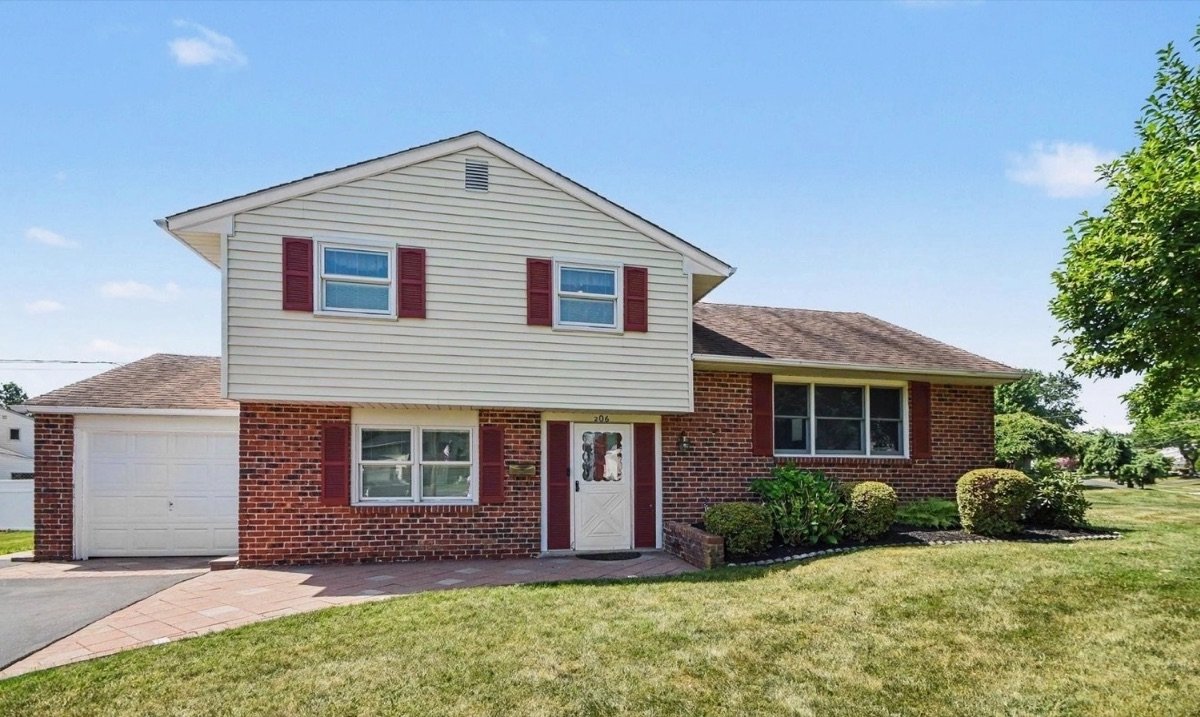
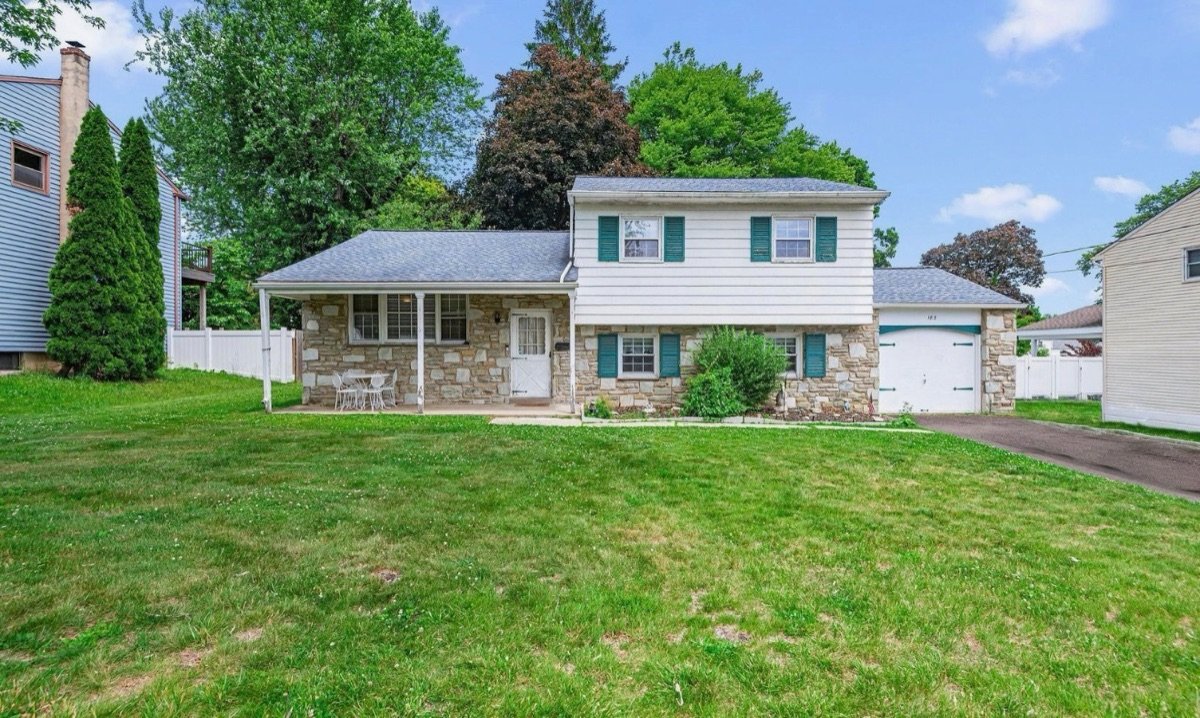
Clean, traditional appearance suitable for most residential properties. The most common fiber cement profile across PA, NJ, and Delaware.
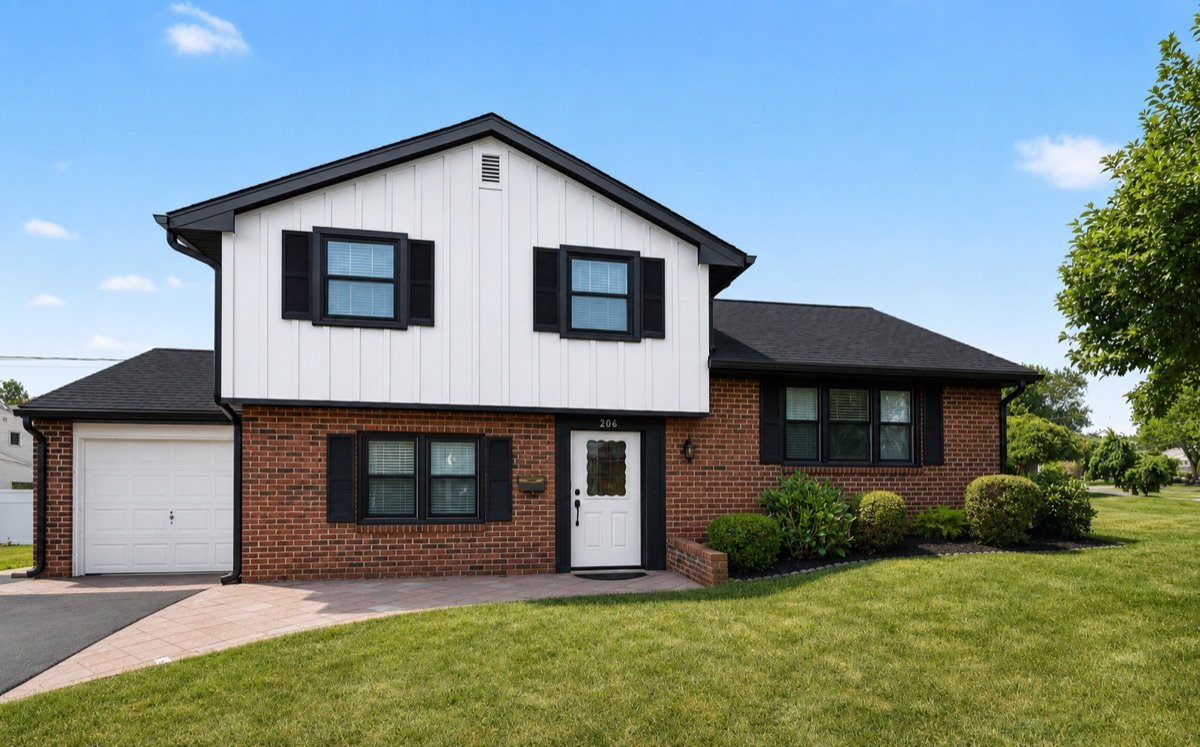
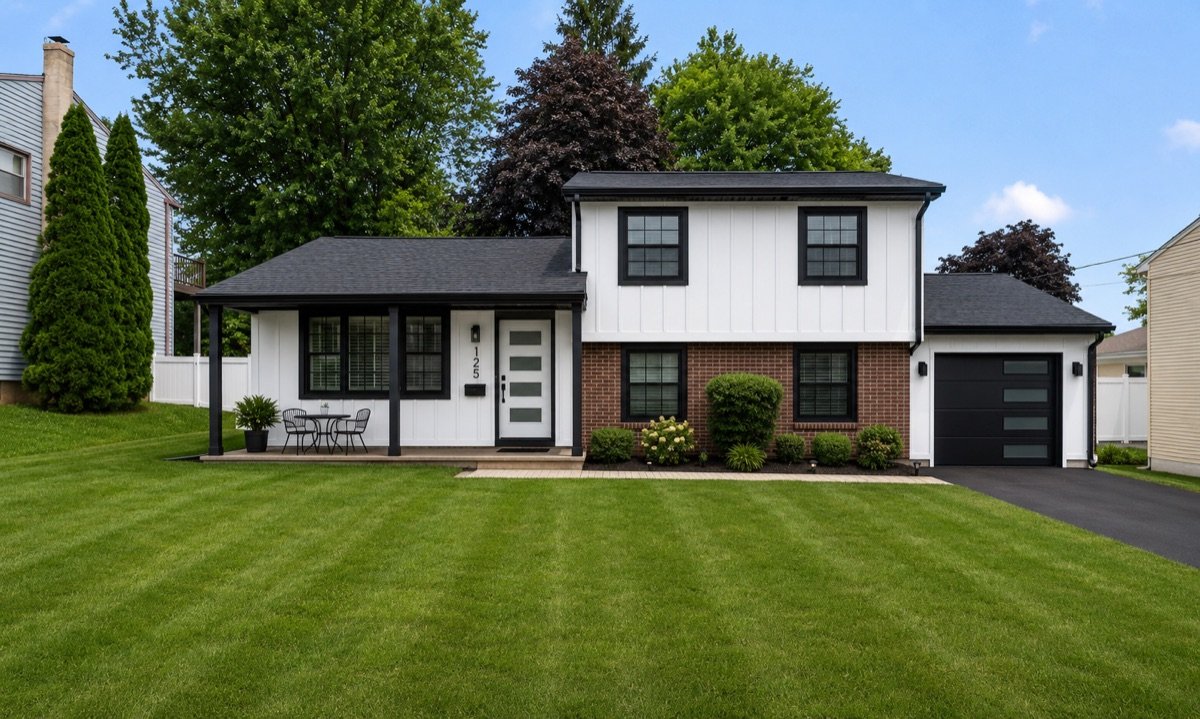
Vertical panels with battens covering seams. The premium choice for modern farmhouse and contemporary architectural styles.
Flat panels installed in sections. Best suited for modern, commercial-influenced, or mixed-material exterior designs.
Every project begins with a full evaluation of the existing exterior. Where necessary, existing siding is removed to expose the structure and address any hidden issues before new materials are installed.
Wall sheathing is inspected and repaired. Fiber cement is rigid — any uneven surface will affect the final result. A solid, level base is essential before any boards go on.
A weather-resistant barrier is installed over the structure. Fiber cement is not waterproof — it is part of a system that manages water. This layer protects against moisture, allows vapor to escape, and acts as the primary defense behind the siding.
Flashing is installed at windows, doors, roof-to-wall areas, and wall transitions. Fiber cement does not flex like vinyl — if water gets behind it without proper flashing, moisture can become trapped and cause long-term damage.
Before installation, the layout is carefully planned. Poor layout is very noticeable with fiber cement. We ensure straight lines, even spacing, and a balanced visual appearance across all elevations.
Boards are installed with precise spacing and fastening. Fiber cement requires controlled spacing at joints to prevent cracking, structural stress, and expansion-related issues.
We use corrosion-resistant fasteners designed specifically for fiber cement. This prevents rust stains, fastener failure, and long-term structural issues.
Joints are finished using caulking, trim boards, and proper spacing techniques. This is critical to prevent water intrusion and maintain a clean, finished appearance.
Fiber cement may come factory-finished or primed for on-site painting. Factory finishes typically last longer and provide consistent color across all panels.
Boards and joints are inspected, the site is cleaned, and a final walkthrough is completed with the property owner.
The material you choose matters — but how it is installed determines how long it performs. Improper installation can lead to warping, water intrusion, fastener failure, and shortened lifespan.
At Shelby Roofing Services, we focus on precision, proper system integration, and execution that holds up over time. Every project is permitted, documented with photos, and completed with a final walkthrough.
Official township record protecting your investment.
Before, during, and after photography for your records.
Manufacturer and workmanship warranties — both fully transferable.
Call, text, or email anytime throughout your project.
Everything you need to know about fiber cement siding installation from Shelby Roofing Services.
A properly installed fiber cement siding system typically lasts 30–50+ years. Lifespan depends on installation quality, the paint system used, and maintenance schedule. James Hardie products are engineered for specific climate zones, which improves long-term performance in our region.
Fiber cement offers greater dimensional stability, a more premium appearance, and superior durability compared to vinyl. It does not expand and contract as significantly with temperature changes, resulting in cleaner lines and a more solid, built-in look. It requires more precise installation and carries a higher upfront cost.
No — fiber cement is part of a water-managed exterior system, not a waterproof barrier. The weather-resistant barrier (house wrap) and properly installed flashing are the primary waterproofing layers. The siding itself manages water by directing it away from the structure.
Fiber cement siding may come factory-finished (pre-painted) or primed for on-site painting. Factory finishes typically last longer and provide more consistent color. Field-painted siding requires periodic repainting — typically every 10–15 years depending on climate exposure and paint quality.
Fiber cement siding is a higher upfront investment than vinyl. Installation costs in the Greater Philadelphia area typically range from $15,000 to $35,000+ depending on property size, design type (lap, vertical, panel), trim complexity, and labor requirements. We provide detailed, itemized proposals before any work begins.