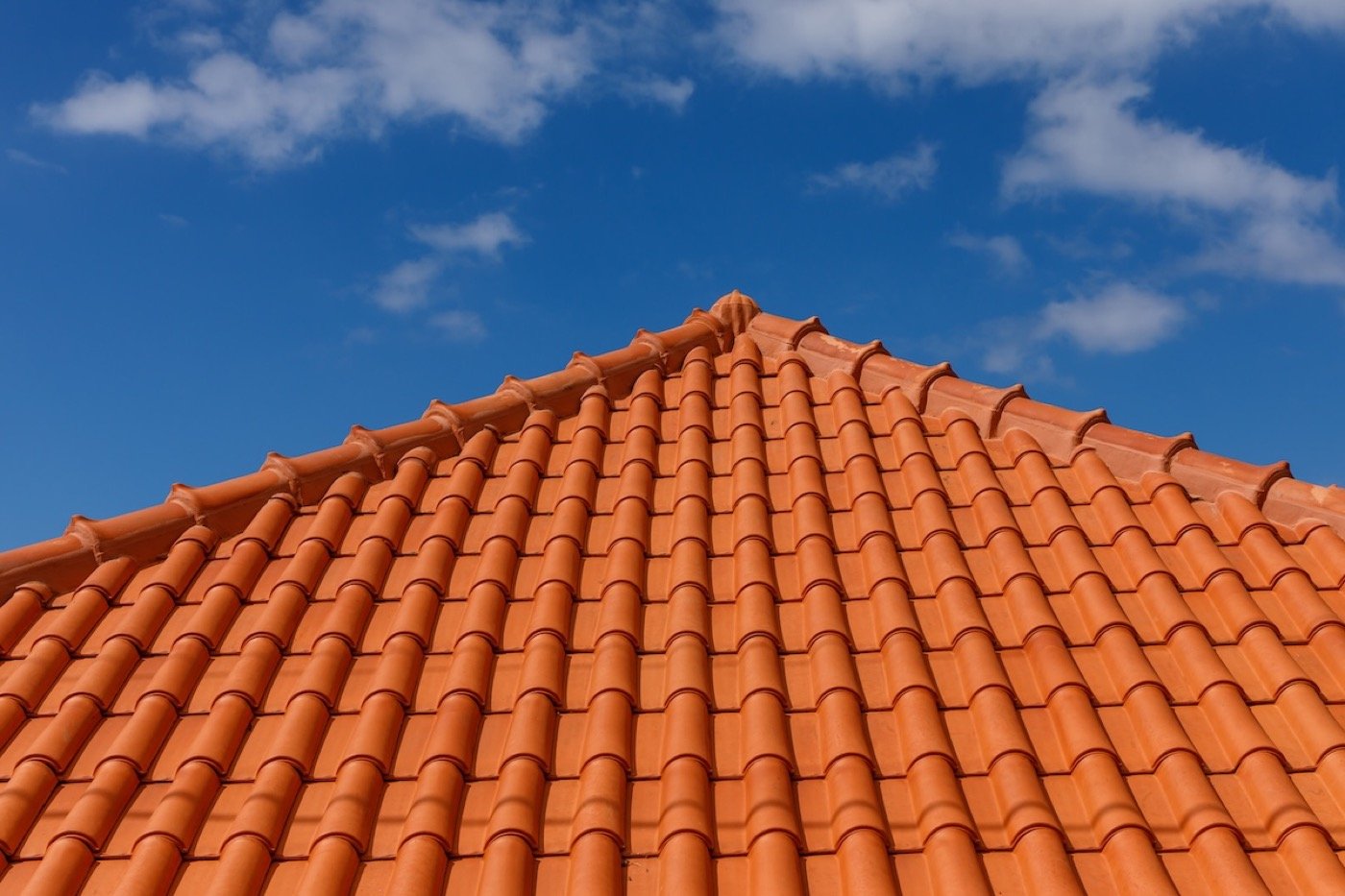
Traditional Spanish Tile (Clay or Concrete)
Traditional Spanish tile is made from clay or concrete materials and is known for its classic curved “barrel” profile. It has been used for decades due to its durability and distinctive appearance. When properly installed, Spanish tile roofs can last 40–75+ years.
Because it is a natural or heavy material, Spanish tile requires proper structural support and precise installation.
Brava Synthetic Tile (Engineered Alternative)
Brava tile is an engineered composite roofing system designed to replicate the look of traditional Spanish tile. It is made from high-performance recycled and synthetic materials designed for durability, flexibility, and impact resistance. One of its main advantages is weight. Brava is significantly lighter than traditional tile, which allows installation on structures that may not support clay or concrete. Brava also offers more consistency in color and design, while still maintaining a natural appearance.
What Is a Tile Roofing System?
A tile roofing system is a layered system made from:
Clay or concrete tiles, and Or engineered composite tiles (Brava).
These tiles are installed in overlapping patterns designed to shed water, not create a sealed surface.
A complete system includes:
- Roof deck
- Underlayment (primary waterproof layer)
- Battens or direct fastening system
- Tile units
- Fasteners and clips
- Flashing at all transitions
- Ridge and hip components
- Ventilation
How Tile Roofing Systems Manage Water (Critical Concept)
Unlike shingles or flat roofing systems, tile roofs are not fully waterproof at the surface level. Instead, they are designed to shed the majority of water, while the underlayment beneath acts as the primary waterproof barrier.
This means:
Water can pass between tiles during heavy rain or wind-driven conditions, The underlayment system protects the structure underneath, and Proper drainage and layering are critical.
Because of this design, installation quality matters more than the tile itself. A properly installed underlayment and flashing system is what ensures long-term performance.
Custom Layout and Pre-Planning: Why Every Tile Roof Is
Different
Tile roofing is not a one-size-fits-all system.
Before installation begins, several factors must be carefully planned:
- Roof pitch and layout
- Tile profile and spacing
- Exposure (how much of each tile is visible)
- Batten spacing (if used)
- Drainage paths across the roof
These decisions affect:
- The final appearance
- Water flow and performance
- Material quantity
- Installation time
Proper planning ensures the roof looks balanced and performs correctly over time.
How a Tile Roof Is Installed and Why Each Step Matters
Every project begins with a complete tear-off. All materials are removed. Nothing is reused.
Once removed:
Decking is inspected, Damaged wood is replaced, and Structure is evaluated (especially for weight in clay/concrete systems).
1
Underlayment Installation (Most Critical Layer)
Underlayment is installed across the roof deck. This is the primary waterproofing layer in a tile roofing system. Because tiles are not fully sealed, the underlayment must be installed correctly to protect the structure.
2
Batten System or Direct Deck Preparation
Battens may be installed depending on the system. Battens: This encompasses Create airflow beneath tiles, Help with drainage and Improve longevity of the system.
This is especially important in moisture control.
3
Layout and Tile Alignment
The roof is carefully laid out before installation. This ensures: This encompasses Straight lines, Proper spacing and Balanced appearance.
Poor layout can affect both performance and visual quality.
4
Tile Installation
Tiles are installed in overlapping courses. Each tile is secured using: This encompasses Fasteners, Clips and Or approved attachment systems.
Proper fastening prevents movement and damage during wind events.
5
Flashing Installation
All flashing is installed at: This encompasses Valleys, Chimneys, Walls and Penetrations.
These areas are the most leak-prone.
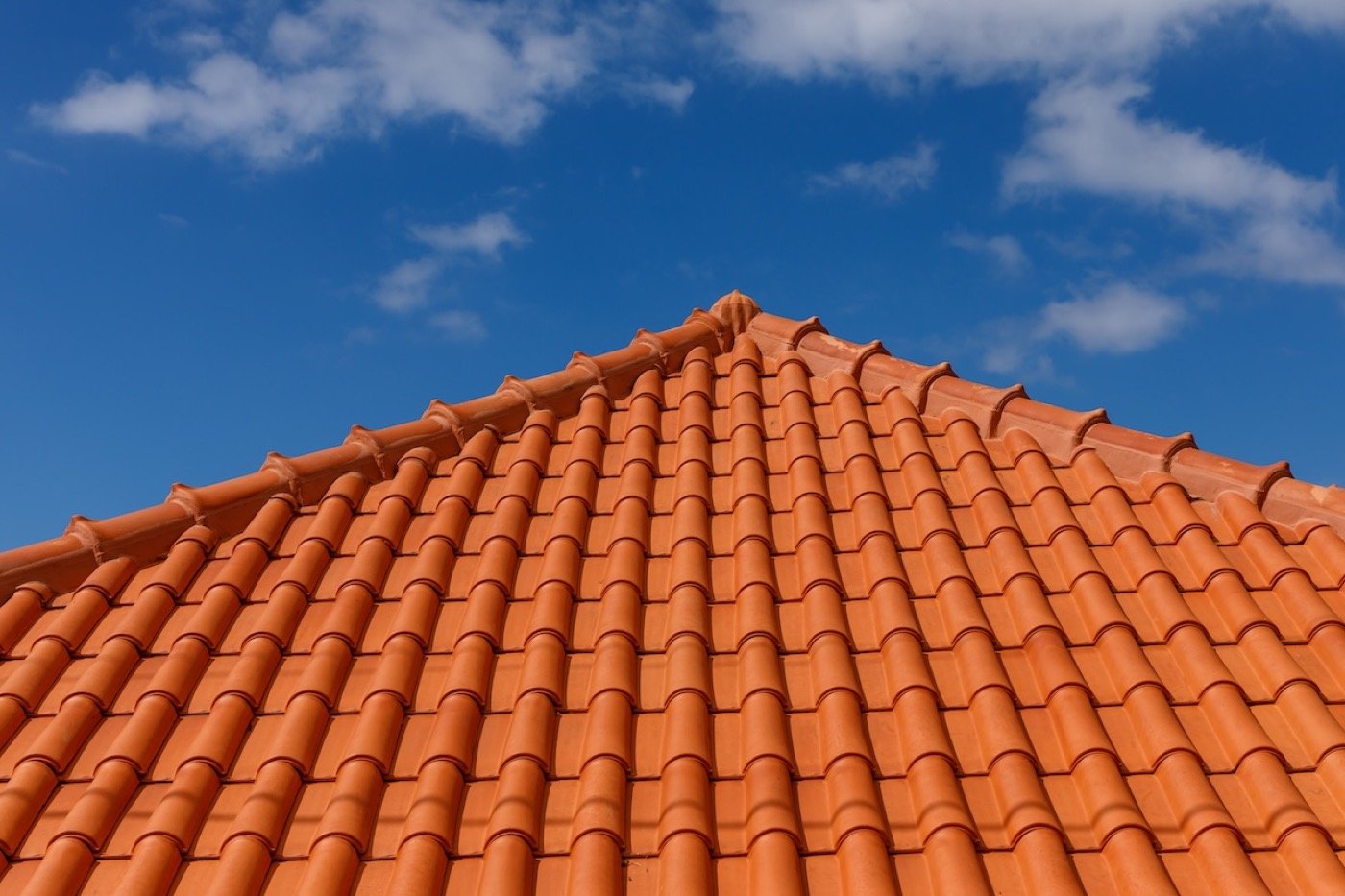
Traditional clay barrel tile — the curved profile and terracotta color that defines Spanish tile roofing
Why Proper Flashing Materials Matter on Tile Roofing
Tile roofing systems are designed to last 40–75+ years, so flashing must match that lifespan.
Using:
Heavy-gauge metal (.032 or greater), and Or copper flashing for premium installations.
ensures long-term performance. Lower-grade materials can fail earlier and lead to leaks—even if the tile is still in good condition.
6
Ridge and Hip Installation
Ridge and hip areas are completed using:
Matching tiles, and Dry systems or mortar systems.
These areas must be secured properly due to exposure.
7
Final Inspection and Cleanup
This encompasses Roof inspected, Site cleaned and Final walkthrough completed.
Spanish Tile vs Brava Tile: What Is the Difference?
Feature Spanish Tile Brava Tile
Material Clay/Concrete Composite Weight Heavy Lightweight
Lifespan 40–75+ years Long-term
Appearance Natural Engineered
Structure May require reinforcement Often not required
When Should You Choose Spanish Tile vs Brava Tile?
Choose Spanish Tile if:
- You want authentic, traditional appearance
- Your structure can support the weight
- Long-term durability is a priority
- You are working on a high-end or historic property
Choose Brava Tile if:
- You want the look of tile without structural reinforcement
- You prefer lighter materials
- You want more flexibility in design and color
- You want a more controlled, uniform appearance
How Material, Design, and Layout Affect the Project
These factors impact:
- Appearance
- Installation time
- Structural requirements
- Cost
Every project is custom planned.
How Long Does a Tile Roof Last?
Spanish tile: 40–75+ years, and Brava tile: long-term performance.
How Much Does Tile Roofing Cost?
Depends on:
- Roof size
- Structural needs
- Material selection
- Complexity
Inspection required.
Warranties That Protect Your Investment
Manufacturer warranty, and Shelby Roofing Services workmanship warranty.
Both are transferable.
Why Proper Installation Matters More Than the Material
- Underlayment integrity
- Proper layout
- Flashing precision
- Secure fastening
Permits and Why They Matter
Ensures:
Licensing, Insurance, and Code compliance.
Job Site Protection, Cleanup, and Final Walkthrough
Dumpster protection, Cleanup, and Walkthrough.
What Sets Shelby Roofing Services Apart
We guide based on:
- Appearance
- Longevity
- Budget
- Property goals
We provide:
- Documentation
- Drone inspections
- Custom detailing
- Clear communication
PA, NJ, and Delaware
Frequently Asked Questions
Is tile roofing worth it?
Yes for long-term value
Is tile waterproof?
No — it is a water-shedding system
Do you reuse materials?
No
Schedule a Tile Roof Inspection
We provide detailed inspections and recommendations tailored to your property.